Philosophy Articles
Free essays on the great questions of meaning, ethics, knowledge and the good life, written for thoughtful readers rather than specialists.
33 free articles, newest first. All subjects

The Broken Jar and the Algorithm: What Rumi Can Teach Us About the Illusion of Digital Perfection
What if the cracks in our lives are not flaws to hide, but the very places where meaning and connection can shine through?

The Uncarved Block on LinkedIn: Lao Tzu vs. Modern Personal Branding
What if the most powerful professional presence is the one that stops trying? How does constant self-promotion exhaust us, and what might happen if we stepped off the treadmill?
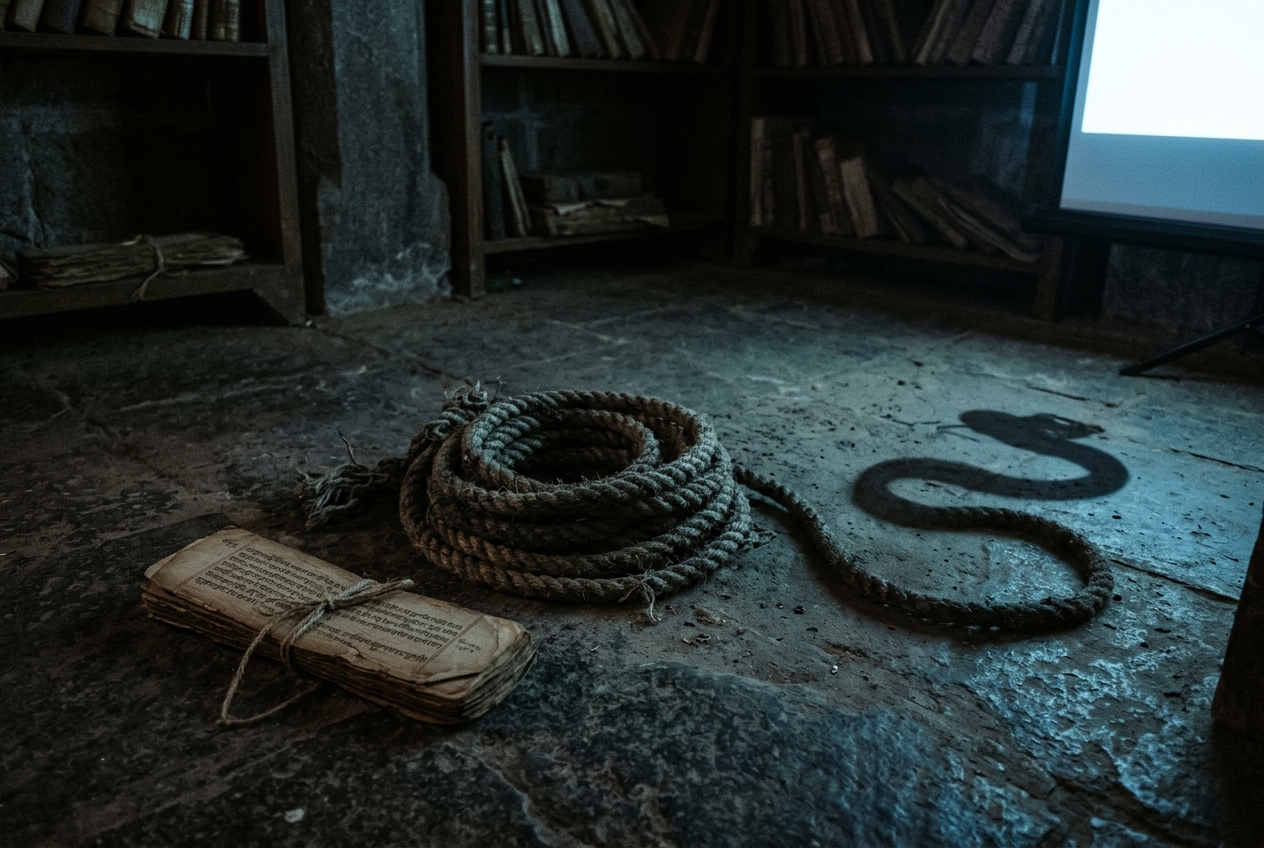
Maya in the Metaverse: Shankara and the Infinite Scroll of Digital Delusion
When does the digital notification that promises connection actually dissolve our sense of self? Might Shankara have recognised our screens as the modern rope mistaken for a snake?
The Cartesian Illusion: If a Machine Simulates Thought, Does It Force Us to Redefine Consciousness?
If a machine can convince us it thinks, does that mean it does? Or does the question reveal something darker about our own consciousness?

Mudita: The Art of Rejoicing in the Joy of Others
Why does the good fortune of a friend sometimes sting rather than delight? And can the ancient practice of Mudita teach us to share in happiness that is not our own?

Occasionalism and Divine Causality: The Critique of Necessary Natural Causes
Can we ever truly know that fire causes burning, or do we merely assume it from habit? What does that uncertainty reveal about the foundations of our reasoning?

Essence vs. Existence: Avicenna's Metaphysical Distinction and the Grounding of Being
What does it mean for something to exist rather than merely be conceivable? And why should the gap between essence and existence matter to how we live and think?

The Meaning of Emptiness: Nagarjuna's View of Reality
What if the ground beneath our certainties were not solid at all? Could discovering that nothing possesses a fixed essence be, somehow, a cause for liberation rather than despair?

The Dao That Cannot Be Named: Language at the Edge of Meaning
What happens to a truth the moment we try to name it? Can language ever reach the deepest things, or does it only circle around them?

Anatta: The Self That Cannot Be Found
What if the self you defend so fiercely does not exist in the way you imagine? Could losing that fixed identity be a relief rather than a loss?

Mono no Aware: The Gentle Sadness of Impermanence
What might we gain if we learned to love the world precisely because it will not stay? Can beauty be deepened by the knowledge that it must end?

The Middle Way: The Buddha and the Refusal of Extremes
Can a path that refuses both excess and deprivation truly be called a philosophy of courage? What does it mean to stand firm in the middle of forces pulling in opposite directions?

Wu Wei: The Wisdom of Effortless Action
What if our relentless striving is precisely what stands in the way of our deepest effectiveness? Can yielding ever be a form of power?

Living with Uncertainty: Philosophy as a Way of Life
What does it mean to live philosophically? How do the questions that have no final answers shape a life devoted to asking them?
Time and Experience: Does the Past Exist?
Is the past real, or does only the present moment exist? What does the nature of time imply for how we should value different parts of our lives?

The Veil of Ignorance: Designing Justice Without Knowing Your Place
How should we structure society if we did not know where we would end up in it? What does this thought experiment reveal about fairness?
Moral Luck: When Ethics Depends on What We Cannot Control
Should moral judgement depend on factors beyond our control? Why do we praise and blame differently based on outcomes that agents could not determine?
The Problem of Other Minds: How Do We Know Anyone Else Is Conscious?
How do we know that other people have inner experiences like our own? What justifies our belief in minds beyond our own?
Thought Experiments: Philosophy Laboratory
What can we learn from imaginary scenarios that we cannot learn from actual observations? How do thought experiments advance philosophical understanding?
The Paradox of Choice: When More Options Make Us Worse Off
Does having more choices always improve our lives? When does abundant possibility become a burden rather than a blessing?

Epistemic Humility: The Wisdom of Uncertainty
What does it mean to hold beliefs with appropriate confidence? How do we balance conviction with openness to being wrong?
The Fact Value Distinction: Can We Derive Ought from Is?
Can facts about how things are tell us how things should be? Why has this question been so central to moral philosophy?
Personal Identity: What Makes You the Same Person Over Time?
What connects the person you are now to the child you once were? What conditions must be met for personal identity to persist through change?

Truth and Its Discontents: What Does It Mean for Something to Be True?
What is truth? Why has this seemingly simple question generated so many competing theories? Does it even matter how we define truth?

The Nature of Consciousness: The Hard Problem
Why does subjective experience exist at all? What makes the problem of consciousness uniquely difficult among scientific questions?
Ethical Relativism: When in Rome, or Not?
Do moral standards vary legitimately across cultures, or are some values universal? What follows if we cannot judge other cultures moral practices?
The Examined Life: Self Knowledge and Its Limits
How well can we know our own minds? What are the barriers to accurate self understanding, and why does self examination matter?
Meaning and Purpose: The Question That Refuses to Stay Answered
What makes a life meaningful? Can we create purpose, or must we discover it? Why does this question persist despite centuries of attempted answers?
The Trolley Problem: When Good Intentions Lead to Difficult Choices
Is it permissible to harm one to save many? What do our intuitions about runaway trolleys reveal about the structure of moral reasoning?

The Ship of Theseus: Identity Through Change
If every plank of a ship is gradually replaced, is it still the same ship? What does this ancient puzzle reveal about the nature of identity?

Free Will and Determinism: The Ancient Puzzle Persists
Do we genuinely choose our actions, or does causation determine everything we do? What hangs on the answer to this perennial question?

The Problem of Induction: Can We Trust Experience?
What justifies our belief that the future will resemble the past? Why does this seemingly simple question resist satisfying answer?
Socratic Method: The Art of Knowing What You Do Not Know
Why did Socrates claim wisdom lay in acknowledging ignorance? How might admitting uncertainty actually strengthen our pursuit of truth?
No Obligation. No Sales. No Credit Card.