Rhetoric and Persuasion Articles
Free essays on the art of persuasion, from classical rhetoric to modern political speech. Understand how language moves audiences, and how to resist it when it should not.
24 free articles, newest first. All subjects

The Persuasive Machine: How Generative AI Is Changing the Art of Argumentation
When a machine generates a perfectly reasoned argument, who bears responsibility for its truth? And what becomes of persuasion when fluency no longer requires honesty?
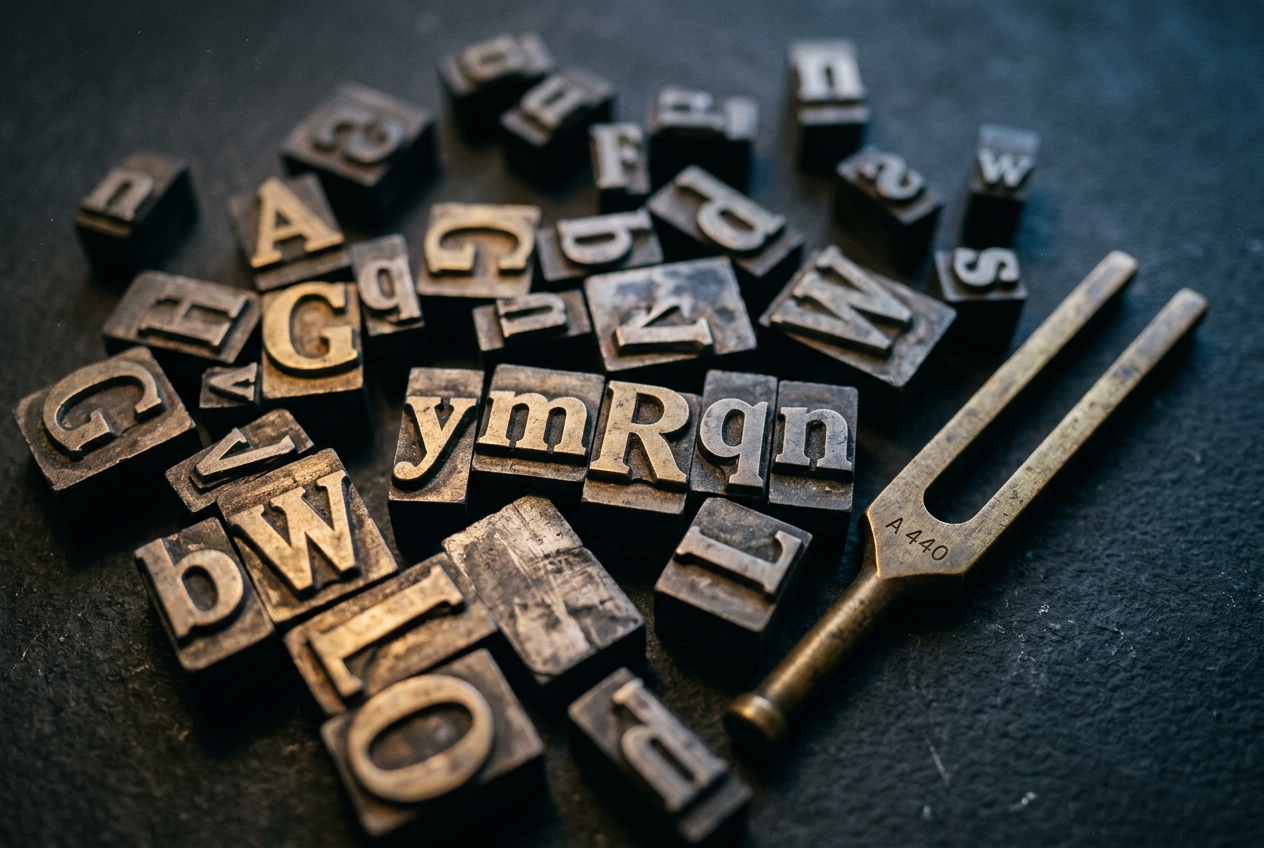
Alliteration and the Music of Repeated Sound
What is it about the repetition of sound that makes language stick in our minds long after we have heard it? Does the music of matched consonants do something to our brains that logic alone cannot accomplish?
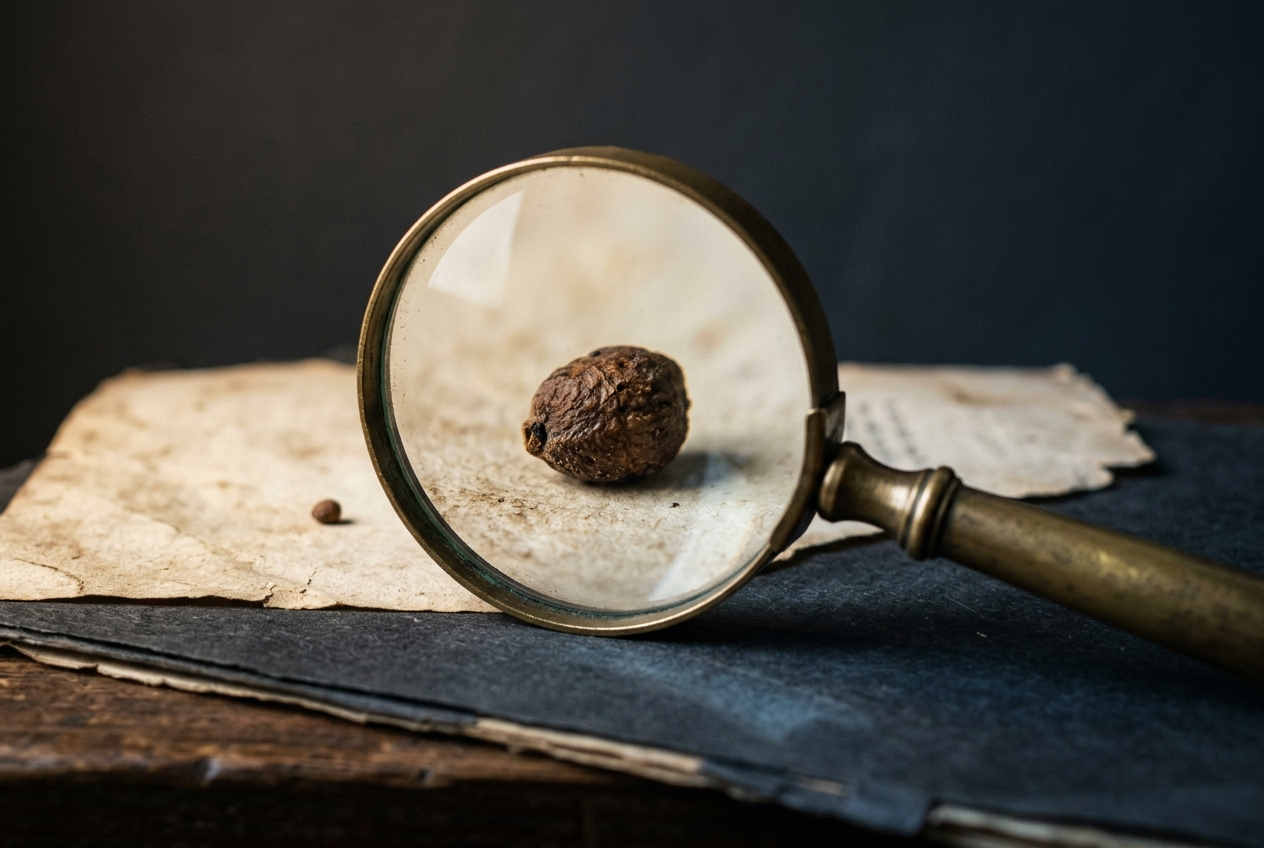
Hyperbole: The Measured Use of Excess
What happens to the power of language when we stretch truth so far that it snaps? Can we measure the unmeasurable without losing credibility altogether?

Chiasmus: The Mirror at the Heart of Memorable Lines
What makes a sentence that mirrors itself more memorable than one that merely states a truth? Does the pleasure we feel when words circle back upon themselves come from our love of pattern, or from some deeper recognition of balance in the universe?

The Art of the Soundbite: Compression and Memorability
How do we distil complex ideas into memorable phrases? What is gained and lost when nuance yields to brevity?

Appeals to Emotion: The Heart of Persuasion
Is it legitimate to persuade through emotion rather than reason alone? When do emotional appeals illuminate and when do they manipulate?

Parallelism: The Satisfaction of Structural Symmetry
Why do parallel structures please the ear and aid understanding? How does grammatical symmetry serve rhetorical purposes?

The Slippery Slope: When Warnings About Consequences Go Too Far
When do predictions about where actions will lead constitute legitimate warnings, and when do they become unfounded fear mongering?

Irony: Saying One Thing and Meaning Another
How does saying the opposite of what we mean communicate more effectively than direct statement? What makes irony work?

Enthymeme: The Power of the Unstated
Why are arguments with missing premises often more persuasive than complete ones? How does leaving things unsaid engage audiences more deeply?

Euphemism and Dysphemism: The Politics of Word Choice
How do the words we choose to describe things shape attitudes toward them? What is gained and lost through softened or hardened language?

The Appeal to Authority: When Experts Deserve Deference
When should we accept claims because experts endorse them? What distinguishes legitimate appeals to authority from fallacious ones?

Metaphor: Thinking Through Comparison
How do metaphors shape not just how we speak but how we think? What are the consequences of the metaphors we live by?

Anaphora: The Rhythm of Repetition
Why does repeating the same phrase at the beginning of successive clauses create such powerful effects? How do we use repetition without becoming monotonous?

Antithesis: The Power of Opposing Ideas
Why do contrasting structures create memorable and persuasive formulations? How does opposition clarify meaning?

Amplification: Making the Significant Seem More So
How do we draw attention to what matters most? What techniques allow speakers to emphasise without seeming to exaggerate?

The Art of Concession: Strengthening Arguments by Acknowledging Weakness
Why does admitting limitations sometimes make arguments more persuasive? How do strategic concessions build credibility and disarm opposition?

Framing: How Context Shapes Perception
Why does the same information produce different responses depending on how it is presented? What power lies in the choice of frame?

Kairos: The Art of Perfect Timing
When is the right moment to speak? How does the timing of an argument affect its reception in ways that content alone cannot determine?

The Power of Narrative: Storytelling as Persuasion
Why do stories move us more than statistics? How do narratives bypass analytical resistance to plant beliefs deep in our understanding?
The Art of the Rhetorical Question
When does asking become more powerful than telling? How do questions guide audiences toward conclusions while preserving the appearance of discovery?

Logos: The Architecture of Rational Argument
What makes an argument logically sound? How do we construct reasoning that withstands scrutiny and genuinely advances understanding?

Pathos and the Art of Emotional Appeal
When is it appropriate to move an audience through feeling rather than reason? How do we distinguish legitimate emotional appeal from manipulation?

The Power of Ethos: Building Credibility in Your Arguments
How do we establish trust with our audience before we even begin to make our case? What makes one speaker believable while another falls flat?
No Obligation. No Sales. No Credit Card.