Critical Thinking Articles
Free essays on reasoning, evidence, logic and the habits of a clear mind. Learn to question claims, weigh arguments and reach opinions you can defend.
31 free articles, newest first. All subjects

Racism: The Lazy Shortcut of a Thinking Mind
What does it reveal about a mind when it reaches for a category rather than a person? Can poor reasoning and moral failure ever truly be separated?

Ignorance: The Unknown Unknowns and the Courage to Learn
What if the wisest thing a person can ever say is simply that they do not know? And what courage does that admission truly require?

Opinionated: When Certainty Outruns Evidence
When does a well-held conviction become mere stubbornness? And what does the evidence actually ask of an opinionated mind?

Red Teaming: The Discipline of Attacking Your Own Ideas
What if the strongest thing you could do with your best idea is to attack it? What happens to a mind willing to become its own sharpest critic?

Societal Norms: Do They Impede Our Passion and Creativity
Why do we measure our lives against expectations we did not author? What becomes of a passion that is quietly folded away because it does not fit the pattern others expect of us?

Dating Online: What Critical Thinking Reveals About the Pros and Cons
Has the search for love become a marketplace, and if so, what does that do to the heart that shops within it? What might clear thinking offer to those navigating connection through a screen?
Misinformation and Disinformation: How Can We Combat the New Medium
When falsehood travels faster than truth, how is an honest mind to keep its footing? What defences remain to us in an age where anyone may publish anything to everyone?

The Fallacy of the Single Cause: Why One Reason Is Rarely Enough
Why does the mind reach so eagerly for a single cause when reality offers only tangled webs of many? What do we lose when we settle for the tidy explanation?
Calibration: Knowing How Much to Trust Your Own Judgement
How often do you trust your own judgement more than the evidence warrants, and what does it cost you when you do?

Base Rates: The Numbers We Forget When We Judge
When we size up a single case, do we ever pause to ask how common the thing actually is? What would change if we always remembered the background frequency?

Falsifiability: Why a Good Idea Must Be Able to Fail
What separates a genuine claim about the world from mere consoling noise? Can an idea that cannot fail ever truly succeed?

Intellectual Honesty: The Foundation of Good Thinking
What does it mean to think honestly? What habits distinguish those who genuinely seek truth from those who merely appear to?

Pre-mortems: Learning from Failure Before It Happens
How can we benefit from failure without actually failing? What technique helps us anticipate what could go wrong?

Adversarial Collaboration: Learning from Disagreement
How can we learn more from those who disagree with us than from those who share our views? What structures help transform opposition into inquiry?

Thinking in Bets: Decisions Under Uncertainty
How should we evaluate decisions when we cannot know outcomes in advance? What distinguishes good process from good luck?

Reframing Problems: Changing Questions to Find Answers
Why do some problems resist solution until we change how we think about them? How do we recognise when reframing is needed?

Second Order Effects: Beyond Immediate Consequences
Why do interventions often produce results opposite to their intentions? How do we anticipate consequences of consequences?

Probabilistic Thinking: Living with Uncertainty
How do we reason well when outcomes are uncertain? What mental habits help us navigate a world of probabilities rather than certainties?

Systems Thinking: Seeing Wholes and Interconnections
How do we understand situations where everything affects everything else? What mental tools help us grasp complex interconnected systems?

The Limits of Intuition: When to Trust Your Gut
When does intuition serve us well and when does it lead us astray? How do we know which intuitions deserve trust?
Motivated Reasoning: When Wanting Shapes Believing
How do our desires influence what we believe? What makes us so resistant to evidence that threatens what we want to be true?
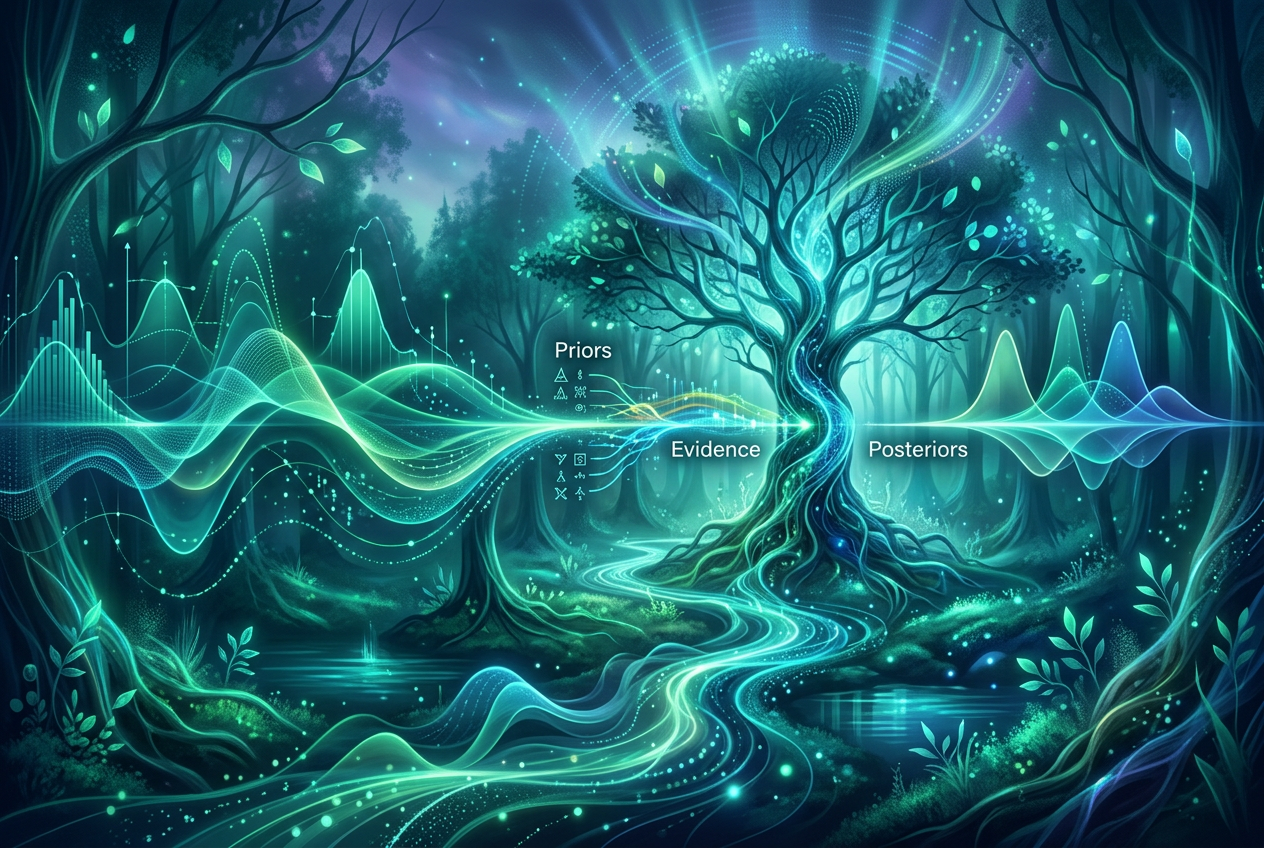
Bayesian Thinking: Updating Beliefs with Evidence
How should new evidence change what we believe? What framework helps us revise our views rationally in light of new information?

The Map and the Territory: Representations and Reality
How do our models of reality differ from reality itself? What are the consequences of confusing the two?

Steel Manning: Engaging the Strongest Version of Opposing Views
How do we ensure we are engaging with the best version of arguments we oppose? What distinguishes steel manning from straw manning?

Distinguishing Correlation from Causation
Why does observing that two things occur together not establish that one causes the other? What further evidence is required?

The Burden of Proof: Who Must Make the Case
Who bears responsibility for supporting a claim? How does the allocation of burden shape what conclusions we should draw from inconclusive evidence?

Occam Razor: The Power of Simplicity
Why should we prefer simpler explanations over more complex ones? When does the razor cut away truth along with unnecessary assumptions?

The Principle of Charity: Understanding Before Criticising
Why should we interpret the arguments of others in their strongest form before offering criticism? How does charitable reading improve our own thinking?

Evidence Evaluation: Sorting Signal from Noise
How do we distinguish reliable evidence from misleading data? What standards should govern our acceptance of claims about the world?

The Ladder of Inference: How We Leap to Conclusions
What mental steps lead us from observation to action? Where do our reasoning processes most commonly go astray?

Questioning Assumptions: The Foundation of Clear Thought
How often do we accept premises without examination? What hidden assumptions might be quietly shaping our conclusions without our awareness?
No Obligation. No Sales. No Credit Card.