Cognitive Biases Articles
Free essays on the mental shortcuts that quietly shape every judgement we make. Each piece explains a bias, shows it at work in daily life and offers practical defences.
25 free articles, newest first. All subjects

Breaking the Echo Chamber: How Personalised AI Feeds Narrow Our Perspectives
How do recommendation algorithms learn us into narrower versions of ourselves? What does it mean when our digital world mirrors only what we already believe?

The Empathy Gap: Why We Misjudge Feelings We Are Not Feeling
Why is it so hard to imagine hunger when we are full, or fear when we feel safe? And what happens to our judgement of others when we forget how powerful a feeling can be?

The Aesthetic-Usability Effect: Why We Trust What Looks Good
Does a beautifully designed interface genuinely work better, or have we simply been seduced into believing that it does? When aesthetic perfection meets functional mediocrity, which one does our brain trust first?

The Gambler’s Fallacy: The Mirage of Patterns in Randomness
When a roulette wheel lands on black twenty times in succession, does the wheel itself develop a hunger for red? Can we ever truly accept that the past whispers no secrets about the future?
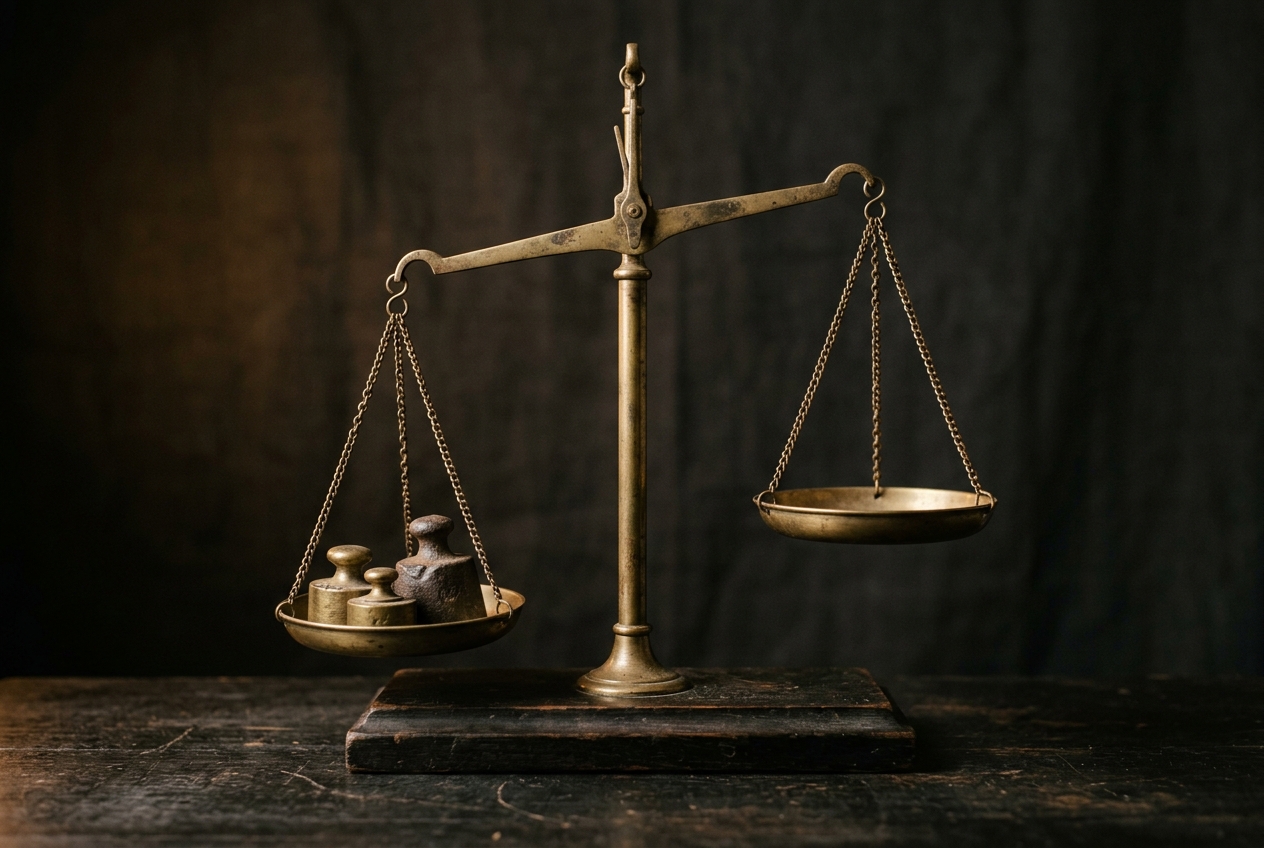
Loss Aversion: Why Losing Hurts More Than Winning Pleases
Why does the prospect of losing fifty pounds cause more anguish than the prospect of gaining fifty pounds brings joy? Could it be that our minds are fundamentally shaped to fear absence more than to celebrate presence?

The Just World Hypothesis: Believing People Get What They Deserve
Why do we want to believe the world is fair? How does this comforting assumption lead us to blame victims and excuse harm?

Choice Supportive Bias: Why We Love What We Chose
Why do we remember our decisions as better than they were? How does commitment to past choices colour our recollection of the options we faced?

The False Consensus Effect: Thinking Everyone Agrees With Us
Why do we overestimate how common our own opinions and behaviours are? What does this tell us about the limits of our social understanding?

The Illusion of Transparency: Assuming Others See Our Inner States
Why do we believe our emotions and thoughts are more visible to others than they actually are? How does this illusion shape communication and relationships?

The Curse of Knowledge: When Expertise Becomes a Barrier
Why do experts struggle to communicate with novices? What makes it so difficult to remember what it was like not to know?

The Spotlight Effect: Overestimating How Much Others Notice Us
Why do we believe everyone notices our embarrassments and flaws? How does this misperception shape our social behaviour and anxieties?

In Group Bias: The Loyalty We Never Chose
Why do we favour those we perceive as part of our group? How do arbitrary group distinctions become the basis for profound discrimination?

The Optimism Bias: Believing Our Future Will Be Bright
Why do we consistently underestimate the likelihood of negative events befalling us personally? How does unrealistic optimism serve and disserve us?

The Status Quo Bias: The Comfort of Keeping Things As They Are
Why do we prefer current arrangements even when alternatives would serve us better? What makes change feel costly even when its benefits exceed its costs?

The Negativity Bias: Why Bad Feels Stronger Than Good
Why do insults sting longer than compliments warm us? What evolutionary pressures shaped minds that weight losses more heavily than equivalent gains?

Attribution Error: Judging Others by Their Actions, Ourselves by Our Circumstances
Why do we explain our own failures as situational while attributing the failures of others to character? How does this asymmetry distort our social understanding?

The Bandwagon Effect: Why We Follow the Crowd
What compels us to adopt beliefs and behaviours simply because others have done so? When does social proof serve us well and when does it lead us astray?

Hindsight Bias: The Illusion of Having Known All Along
Why do past events seem inevitable once they have occurred? How does the feeling that we knew it all along distort our learning from experience?

The Sunk Cost Fallacy: Why We Cannot Let Go
Why do we continue investing in failing projects? What makes past expenditure feel like a reason to continue rather than a reason to stop?

Survivorship Bias: The Dangers of Invisible Failure
Why do we study successful entrepreneurs but ignore the thousands who failed? What crucial information vanishes when we only examine those who survive?

The Halo Effect: When One Trait Colours Everything
Why does attractiveness make people seem more intelligent? How does a single positive impression cascade into unwarranted assumptions about unrelated qualities?

The Dunning Kruger Effect: The Confidence of the Incompetent
Why do those with the least knowledge often display the greatest certainty? What prevents the unskilled from recognising the limits of their understanding?

The Availability Heuristic: When What Comes to Mind Misleads
How does the ease of recalling examples shape our perception of reality? What happens when vivid memories distort our understanding of probability and risk?

Confirmation Bias: The Echo Chamber Within Our Minds
Do we truly search for truth, or merely for validation of what we already believe? How might we break free from the echo chambers of our own construction?

The Anchoring Effect: How First Impressions Shape Our Judgements
Why do we place such weight on the first piece of information we encounter? What happens when that initial anchor distorts our entire decision-making process?
No Obligation. No Sales. No Credit Card.